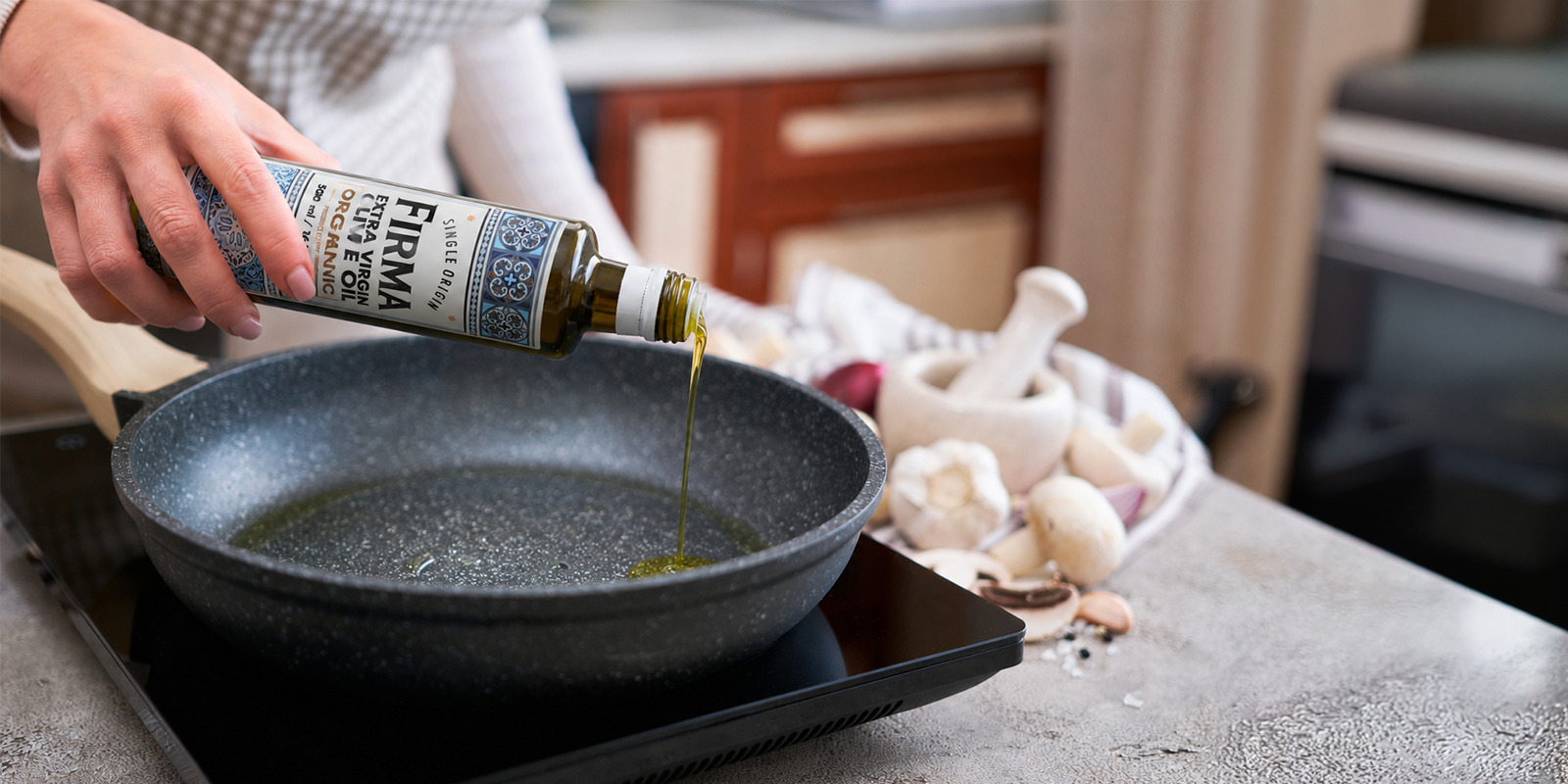
Terroir Effects
Single-origin olive oils capture the true essence of a specific grove or region. The unique combination of soil, climate, and local olive oil varieties gives each oil a flavor deeply expressive of its origin. In contrast, blended olive oils combine olives from different regions or cultivars, resulting in a more uniform taste but sacrificing the distinct character that terroir provides.
Aroma and Mouthfeel
The difference is immediately noticeable in aroma and mouthfeel. Single-origin oils often present bold fruitiness, a pleasant bitterness, and a peppery finish that awakens the palate. On the other hand, blended olive oils tend to be smoother, more balanced, and versatile, making them suitable for everyday cooking or recipes where a subtler oil works better.
Nutritional Implications
Beyond taste, single-origin olive oils offer higher concentrations of polyphenols, antioxidants, and other bioactive compounds closely linked to cultivar and region. These compounds contribute to heart health, reduce inflammation, and offer antioxidant protection. Blended olive oils may dilute some of these benefits, but still provide a heart-healthy, flavorful option for regular use.
Cooking versus Finishing
Single-origin oils shine as finishing oils. The unique signature, aromas, and flavors offered by single-origin olive oils can elevate dishes to gourmet levels. Blended oils, with their balanced and reliable profiles, are ideal for sauteing, dressings, or everyday cooking, providing versatility without overpowering other ingredients.
How to Choose the Right Olive Oil for Your Kitchen?

When selecting olive oil, start with the label. Look for terms like “single origin,” “monovarietal olive oil,” or the specific cultivar, as well as the harvest date and any certifications such as organic or PDO/PGI, which indicate quality and authenticity. These details reveal the origin of the oil, as well as its freshness and potential health benefits. Single-origin oils highlight the unique flavors of a particular grove, while blended oils offer consistent, versatile profiles suitable for a variety of uses.
Flavor pairing is equally important. Use single-origin oils as a finishing touch where their bold, distinctive aromas and peppery notes can stand out. For instance, when drizzled over fresh salads, roasted vegetables, or a simple slice of bread, the difference will pleasantly surprise you! Blended olive oils, with their smoother and more balanced character, are ideal for everyday cooking, sauteing, or making dressings where consistency is more important than distinctive terroir.
Store your oils in a cool, dark place to maintain quality. Avoid heat and sunlight, and use olive oils within a year of harvest whenever possible to preserve their flavor, aroma, and healthful compounds.
Conclusion: Taste the Difference of True Origin!

Understanding the nuances between single-origin and blended olive oils opens up a world of flavor and culinary possibilities. Single-origin olive oils bring authenticity, distinctive aromas, and bold character that reflect the unique terroir of their grove. Blended oils, on the other hand, offer balance, consistency, and versatility, making them perfect for everyday cooking. Exploring both allows you to appreciate how terroir and craft shape the flavors that make every dish exciting.
At Firma Flavors, we carry the best of both worlds. Our single-origin oils capture the essence of Tunisia’s storied groves. Taste the full spectrum of Tunisian olive oil heritage with Firma, where each bottle is a journey from our family groves to your table.